
The Complete Procedure for Buying a Second-Hand Car in Abu Dhabi
When you’re ready to purchase a second-hand car in Abu Dhabi, it’s essential to understand the process fully. With so many options available, navigating through this process can be overwhelming, especially when you want to ensure you’re getting a good deal. Whether you’re buying from a dealer or directly from another owner, having a clear understanding of the procedure will make your journey smoother. Here’s a step-by-step guide to help you through it.
1. Determine Your Budget and Needs
Before jumping into the car market, it’s crucial to decide how much you’re willing to spend. Start by establishing your budget. Think about the monthly payments you can afford and the total amount you are comfortable with. Second-hand cars can vary greatly in price, depending on the make, model, and condition, so setting a budget will help narrow your options.
Next, consider the type of car you need. Do you require a family car, a fuel-efficient vehicle for commuting, or something sportier for weekend drives? Once you know what you want, it’s easier to compare your options.
2. Research Your Options
In the age of the internet, research is easier than ever. Browse online platforms, visit local car dealerships, and explore websites such as iCarsU.com. Check out the details for various makes and models, comparing prices and features. It’s also a good idea to read reviews and ratings to understand what other buyers have experienced.
While browsing, you’ll want to look at factors like mileage, age, condition, and service history. Understanding these aspects will help you make an informed decision when it’s time to buy.
3. Inspect the Car in Detail
Once you’ve narrowed down your choices, it’s time to check the condition of the car. If you’re buying from a private seller, you may not have the benefit of a warranty or dealer inspection. This means it’s even more important to take your time during this step.
Start with a thorough visual inspection. Check for signs of accidents, rust, or any bodywork that doesn’t seem to match the rest of the car. Don’t forget to inspect the interior for any signs of wear and tear.
While a simple visual check is useful, you may also want to take the car for a test drive. This gives you a chance to feel the car’s performance, check the brakes, assess comfort, and ensure that everything works as it should. Pay attention to unusual noises or any issues with acceleration, steering, or suspension.
4. Get a Third-Party Inspection
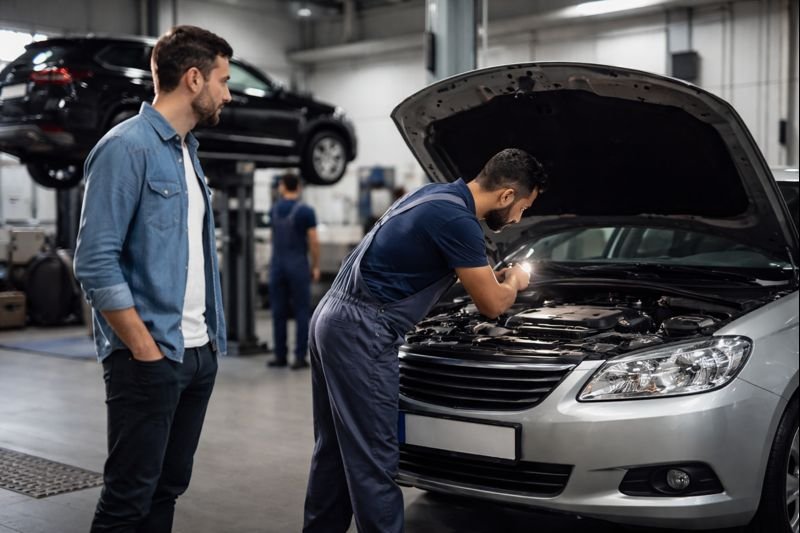
A third-party inspection is often a great idea, especially if you’re purchasing from a private seller. A professional mechanic can identify hidden issues, such as engine problems or transmission wear, which may not be visible to an untrained eye.
It’s also an excellent way to ensure that the car is priced fairly. If the mechanic discovers any issues, you can either negotiate the price down or decide to walk away.
5. Check the Car’s History
Before you finalize the deal, make sure the car’s history is clear. You want to confirm that the car has not been involved in any major accidents or has any legal issues. In Abu Dhabi, you can use services like the Emirates Vehicle Gate (EVG) to check for fines or if the car has any outstanding issues.
Also, confirm the number of previous owners and whether the car has been properly maintained. A clean history report can give you confidence in your purchase.
6. Negotiate the Price
Negotiation is one of the most critical steps in buying a second-hand car. Even if the car is listed at a certain price, there’s often room for negotiation. Once you have inspected the car and completed your research, you can offer a fair price.
If you’re dealing with a dealer, they may be less willing to lower the price, but with a private seller, there’s typically more room to negotiate. Be respectful but firm, and don’t be afraid to walk away if the price doesn’t seem right.
7. Complete the Paperwork
Once you’ve agreed on a price, it’s time to finalize the deal. This involves completing the necessary paperwork. In Abu Dhabi, the buyer and seller must fill out a transfer of ownership form. The form should include details like the car’s make, model, VIN (Vehicle Identification Number), and the agreed-upon price.
Make sure the seller provides all required documents, including the original registration, proof of identity, and insurance details. If the car is still under finance, you’ll need to settle the outstanding amount before completing the transfer.
8. Pay for the Car
When it comes to paying, it’s essential to choose a secure method. Avoid paying in cash whenever possible. Instead, opt for bank transfers or cashier’s cheques. Always ensure you have a receipt for the payment.
If the car is financed, ensure the seller clears the finance before you pay. You can also work with a bank to facilitate the payment process if needed.
9. Transfer the Ownership
To officially transfer ownership of the vehicle, both the buyer and the seller must visit the Abu Dhabi Traffic Department together. The buyer will need to bring proof of identity, proof of insurance, and the completed transfer of ownership form.
At the traffic department, both parties will sign the necessary forms, and the new registration will be issued in the buyer’s name. This process typically takes a few hours, so be prepared for some waiting time.
If the car has expired registration or requires further inspections, this will also be addressed during this step.
10. Get Insurance for Your Car
Before you drive your new second-hand car, you’ll need insurance. In Abu Dhabi, it’s mandatory to have car insurance in place before hitting the road. You can purchase comprehensive or third-party liability insurance depending on your needs and budget.
Many insurance companies offer policies tailored to second-hand cars, so it’s worth comparing options. Ensure that your new car is fully covered before you leave the dealership or seller’s location.
11. Register Your Car
After completing the ownership transfer and purchasing insurance, your final step is registering the car. In Abu Dhabi, you must register your vehicle with the Department of Transport. They will issue you a new license plate and vehicle registration card, which you must keep with you at all times when driving.
The registration process is straightforward, but make sure you have all the necessary documents, including proof of insurance, the completed ownership transfer, and your ID.
12. Sell Your Car Near You
If, in the future, you decide to sell your car and buy another, there are options for doing so in Abu Dhabi. iCarsU.com allows you to sell your car quickly and easily, with no hidden fees or complicated processes. Whether you’re looking for a straightforward sale or want to explore trade-in options, you can sell your car near you at the best price possible.
Selling Any Car with Ease
Selling your car doesn’t need to be a hassle. With online platforms like iCarsU.com, you can sell your car to trusted buyers with just a few simple steps. You can sell any car, whether it’s old, new, or somewhere in between. The platform offers fast, efficient service and ensures that you receive a fair price for your vehicle.
Whether you’re looking to sell or buy, the process in Abu Dhabi can be quick, straightforward, and stress-free when you follow the correct steps.
How can I sell my car near me in Abu Dhabi quickly?
To sell your car near you in Abu Dhabi, you can use platforms like iCarsU.com, which allow you to list your car for sale with minimal effort. You can receive offers from potential buyers, negotiate the price, and complete the sale without leaving your area. The process is streamlined, making it easier to sell quickly, often with no hidden fees.
What documents do I need to transfer ownership when buying a second-hand car?
When buying a second-hand car, you’ll need a few key documents to transfer ownership in Abu Dhabi. These include your Emirates ID, proof of car insurance, the original registration document, and the signed transfer of ownership form from the seller. Ensure these documents are complete before heading to the Traffic Department to finalize the transfer.
Is it safe to buy a second-hand car without a professional inspection?
While it’s possible to buy a second-hand car without a professional inspection, it’s always safer to have one done. A third-party inspection can reveal hidden issues, such as engine problems or signs of accidents, which could save you from costly repairs later. It’s a small investment for peace of mind and ensures that you’re buying a reliable vehicle.
Can I sell any car through iCarsU.com in Abu Dhabi, even if it’s old?
Yes, you can sell any car through iCarsU.com in Abu Dhabi, whether it’s new, old, or has been in an accident. The platform allows you to sell your car quickly and easily, regardless of its age or condition. They provide fair prices, making it a convenient option for sellers looking to part with any vehicle.
What’s the average time it takes to complete the buying procedure for a second-hand car?
The buying procedure for a second-hand car in Abu Dhabi typically takes anywhere from a few hours to a couple of days, depending on the steps involved. If you’re purchasing from a dealership, the process may be quicker, especially if the car has all its documents in order. If you’re buying from a private seller, it may take longer if you need to arrange inspections, paperwork, or negotiate the price.